


Healing post-mine landscapes with native plants: Rabeya’s research journey
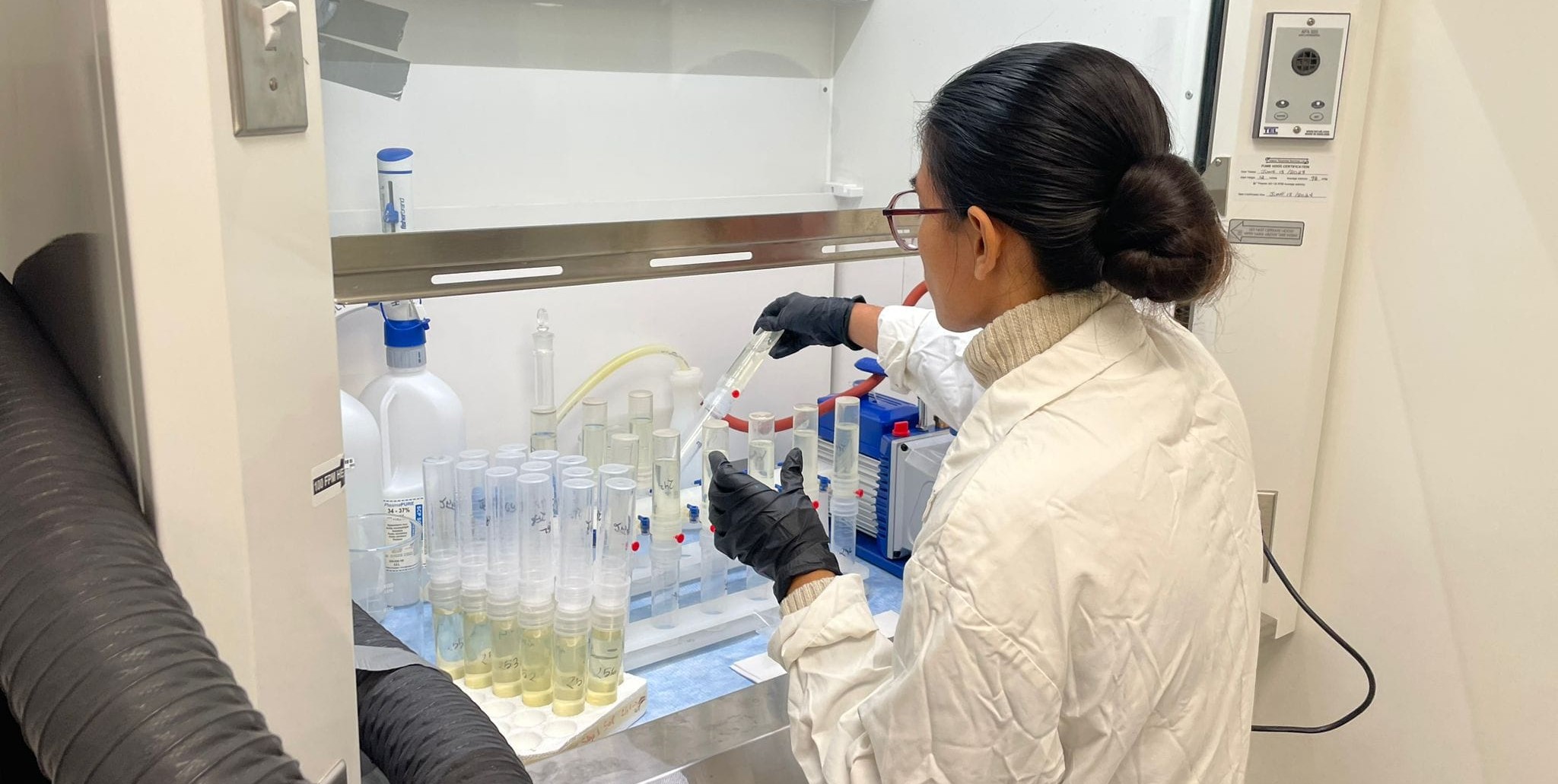
My name is Rabeya, and I am a master’s student in Environmental Science at Thompson Rivers University. For the past year, I’ve been working in the Fraser Lab under Dr. Lauchlan Fraser, exploring a challenge that matters deeply in our region:
How can we help post-mine landscapes recover and support native ecosystems again?
Mining has shaped communities across British Columbia for generations, but it also leaves behind large areas of disturbed land especially overburden and tailings, the waste materials produced during extraction. These materials are often dry, nutrient-poor, and can contain high levels of potential heavy metals. As a result, they’re some of the hardest places for plants to survive.
Yet restoring these landscapes is essential. Healthy vegetation helps rebuild soil, support wildlife, improve water quality, and reconnect people to the land. And in B.C., where Indigenous knowledge and stewardship guide many restoration goals, native plants are at the heart of successful reclamation.
To help understand how native species can return to post-mining lands, I’ve been leading a large experiment at the TRU greenhouse. I’m testing whether three amendments such as Zeolite, Leonardite, and Coconut husk can improve tailings and overburden enough for 13 different native plant species (trees, shrubs, forbs, and grasses) to grow.
- Zeolite, with its porous structure, may help reduce how much metal plants take up.
- Leonardite, rich in humic acids, improves moisture retention, a critical factor in our dry Interior climate.
- Coconut husk, a sustainable waste product, can improve soil structure and support healthier root systems.
My goal is to learn which combinations of amendments help native species germinate, grow, and survive. Each plant was grown in PVC tubes filled with tailings and overburden from the Highland Valley Copper mine site. After four months of growth, the plants were harvested and are now being analyzed to understand their biomass and metal uptake.
This research doesn’t just support mine reclamation, it also aligns with the values of Transition Kamloops, particularly around regeneration, ecological resilience, and community-guided climate action. Restoring damaged land, reducing waste by using amendments, and promoting native biodiversity all play a role in creating a healthier, more resilient region.
As our community explores pathways toward sustainability and climate adaptation, understanding how we heal damaged landscapes is a crucial piece of the story. I am grateful to be contributing to this work from the TRU greenhouse and excited to gain great insights on how native plants might help restore the places that have supported us for so long.