

Post-Election Thoughts- Editorial – Transition Kamloops
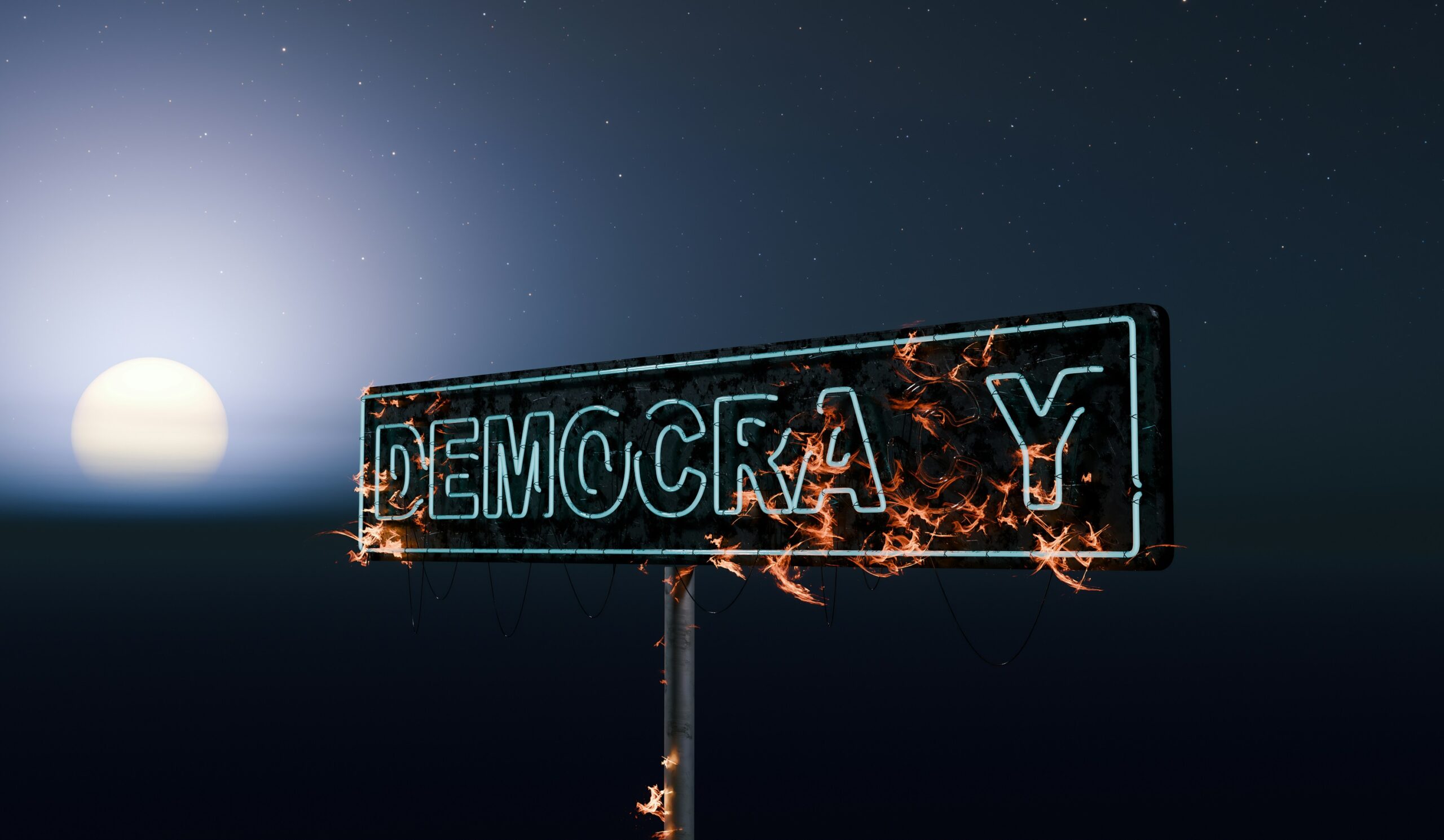
The fall of 2026 will be remembered for its elections. We went from the more predictable municipal election to the large conservative pivot in Provincial government. Then, from afar, we watched with awe (and admiration) as the United States elected more progressive candidates than we thought possible. What does it all mean? Unsurprisingly, the results of these elections speak to the political temperature at each level of government.
Local politics: New Mayor & Council
In Kamloops, we elected a dependable, experienced Councillor to be the new Mayor. The majority of voters (nearly 44%) opted for familiarity, consistency, and a clear voice to be the City’s leader. In Council, voters struck an interesting balance between new and incumbent candidates, with three Councillors re-elected from the previous term and five new Councillors. This sends the message that voters want new ideas and approaches, but also value the contributions and experience that the seasoned incumbents have. The good news is that voter turnout increased by more than 6% from 2022. But there’s still lots of room to improve there!
What can be expected from Kamloops’ new Mayor and Council? The work has already begun, with orientations, meetings, briefings, and the first official meeting taking place last week. The new Council will set their strategic goals and priorities through the implementation of a Strategic Plan. Stay tuned for what issues make the final cut, as these will be key themes guiding policy and decision making over the next four years!
Frontrunner issues, based on the winning candidates’ platforms, include housing, homelessness, social issues, and local economic health. This is generally consistent with the priorities of other neighbouring communities, and likely many communities across the Province. For comparison, the City of Penticton elected Dan Ashton (who has served previously as a councillor, Mayor, and MLA) for the mayor’s job; his top priorities include addressing homelessness and public safety. The City of Kelowna re-elected incumbent Mayor Tom Dyas with a focus on governance and improving public engagement and processes (and similar to Kamloops, they also elected five newcomer Councillors).
Unfortunately, issues relating to sustainability, conservation, climate change mitigation, etc. have taken a back seat at levels of government writ large. In the context of economic uncertainty, protecting the environment is often the scapegoat blamed for red tape, and this narrative is used to de-regulate industry and water-down sustainability objectives. It’s harder to argue that we should do more at the local and provincial level when our federal government is steering the country in this direction. But local and regional change is still important. Advocacy is important. We can’t be disheartened and disillusioned; we must push for the environment to still be a priority and convince our representatives that we can be growing the economy and protecting our natural resources at the same time.
Provincial Pros and Cons (pun intended)
The snap provincial election was decidedly less predictable. I think we all knew that calling an election two years into the NDP’s second term would generate complaints, and Eby’s public approval has dipped significantly in recent years. But I don’t think anyone was prepared for the blowout Conservative win. The recently unified Conservative party swept rural and urban ridings to get a majority government, and leader Lorne Doerkson appears to be the calm, clear voice that the party needed to finally oust the NDP. His messaging clearly resonated with many British Columbians, although the tenability of the party’s platform remains to be seen. The party is set to repeal and walk back policy in many areas, including but not limited to Indigenous rights, forestry, Step Code regulations, and educational resources. We shall see whether the proposed policy changes will result in culture war “wins” or tangible benefits for British Columbians.
The Greens won their status quo two seats, with Rob Botterell stepping aside to let party leader Emily Lowan win the Saanich North and Islands riding. Once again the party does enough to stay relevant, but not enough to make a difference in legislative outcomes. Leader Emily Lowan had a strong presence at the leaders debate, and presented a compelling case for taxing the wealthiest British Columbians to balance the budget and pay for essential services. Now people can’t argue that the Greens don’t have a financial plan; they just have to admit they don’t like it!
The NDP won some stronghold seats, but will be licking their wounds for the next few years, watching some of their work be unraveled. Perhaps a deserved punishment, perhaps not. Either way, they need to rally and be a strong opposition. David Eby stepped down after the resounding defeat, and Jennifer Whiteside has been declared the interim leader. Maybe a progressive coalition is in the cards? Maybe the NDP will reconsider their stance on Proportional Representation? Where possible, they must reconcile with their disenfranchised base and develop a new mandate to gather supporters. There is much work to do!
Voter turnout for the Provincial election was just 48%, lower than both recent elections in 2024 and 2020. However, the NDP bore the bulk of the losses with a reduction of over 270,000 voters, where the Conservatives received around 49,000 fewer votes (Global News, 2026).
Finally, a look down south
Some good news? From the United States? Yes, the long-awaited midterm elections delivered a progressive push from the electorate. Despite intimidation, threats to blame Canada, and many clear attempts to discourage voter turnout, the Democratic party won a majority in the House and Senate. Plus, six states flipped to Democratic governors, with Texas and Georgia seeing some of the most surprising shifts, and Alaska projected to be blue as well (MultiState.us, 2026). Several groundbreaking wins for minorities, and in red strongholds too, shows a cohesive blue wave sweeping the country. What could be holding back the progressive new elects now? Well, possibly the establishment Democratic leadership and the Supreme Court. Both need reform and now is the time to call for it, when the momentum is high. I’m not getting my hopes up too high, but I think the whole world breathed a sigh of relief when the results rolled in and races were called. Our neighbours to the south have shown they’re ready for change and accountability. They’re tired of the wars, tariffs, and Administration’s antics too.
News Sources: