


Kamloops Museum And Archives
Click for Website
Event categories: Galleries & Exhibits
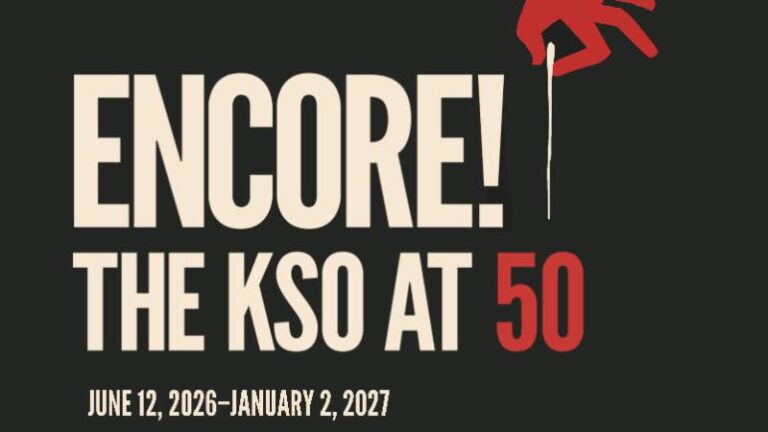
Celebrate 50 years of the Kamloops Symphony Orchestra with Encore! The KSO at 50, a new exhibition celebrating the sounds, words and people of the KSO at the Kamloops Museum and Archives.
Celebrating five decades of music, community, and cultural legacy, Encore! The KSO at 50 at the Kamloops Museum and Archives is a tribute to the Kamloops Symphony Orchestra and the generations of artists, audiences, and community members who have made its work matter.
Just as a symphony builds from individual voices into something greater, this exhibition traces how the KSO has shaped and been shaped by the people and spirit of this region. You’ll explore the stories, artifacts, and histories that together compose the orchestra’s enduring presence in Kamloops’ arts and culture landscape.
With a blend of artifacts, images, and interactive elements, Encore! The KSO at 50 creates a space where music history comes alive, and visitors are invited not just to look and listen, but to participate. Whether you’re a lifelong symphony-goer, a music lover, or simply curious about your community’s cultural heritage, this exhibition offers an engaging and celebratory experience that resonates across generations.
Throughout the exhibition, the Kamloops Museum and Archives will host a series of programs in connection with Encore! The KSO at 50, including Centre Stage performances and rehearsals open to the public, Music at the Museum and Saturdays on Seymour drop-in music-themed crafts, and Painting with the Museum, an abstract art class drawing inspiration from music.
Kamloops Museum And Archives
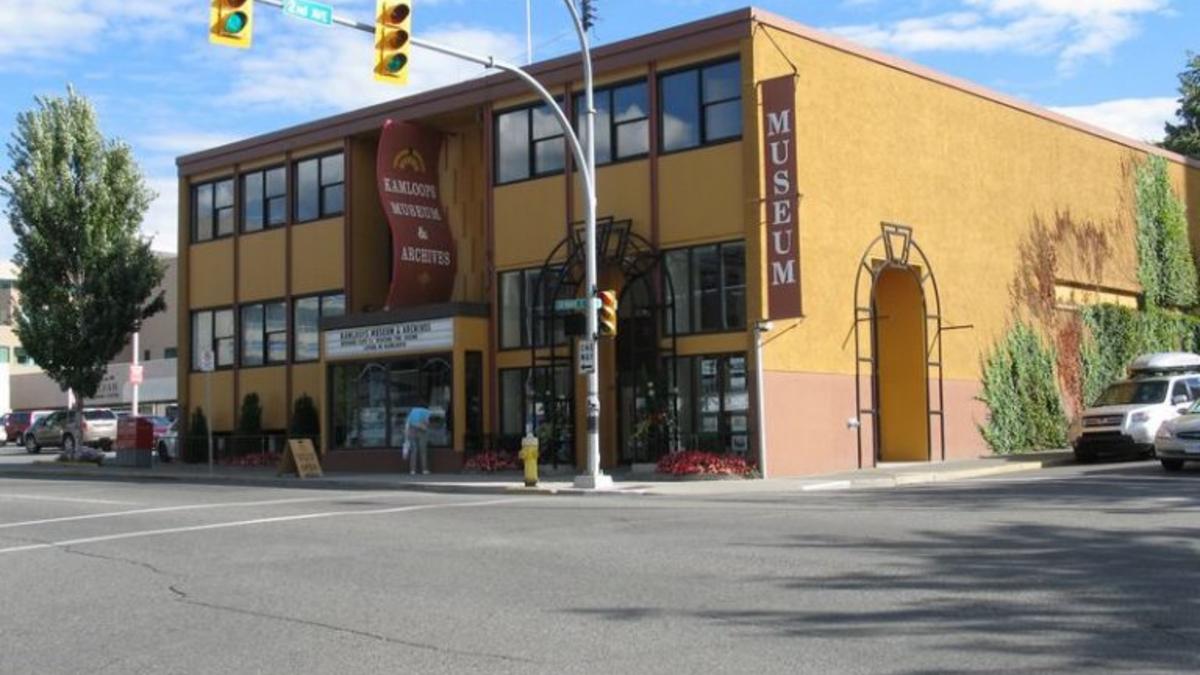
The Kamloops Museum and Archives is a City of Kamloops cultural institution at 207 Seymour Street, at the corner of Second Avenue in downtown Kamloops. Established in 1937, it preserves and interprets the history of Kamloops and surrounding communities through exhibitions, educational activities, research resources, and public programs.
The museum’s collection includes more than 20,000 artefacts representing the region’s cultural, social, natural, and economic history. Exhibits change over time and draw on collections connected to local communities, Indigenous and settler history, the fur trade, ranching, industry, geology, transportation, and everyday life in the Thompson Valley.
The archives are among the oldest and largest in British Columbia’s Interior. Researchers can access historical photographs, newspapers on microfilm, maps, rare books, subject files, family and organizational records, oral histories, and other documents relating to Kamloops and the surrounding region. A reading room and archival finding aids support local and family-history research, while the museum’s collections continue to grow through preservation and community donations.